Spectra Assure Free Trial
Get your 14-day free trial of Spectra Assure for Software Supply Chain Security
Get Free TrialMore about Spectra Assure Free TrialBy day two of the exercise, however, things started to look different. Processes had been sharpened, communication tightened, and the Blue Team began to find its footing. By the end of the exercise, the joint Croatia-North Macedonia squad had posted competitive standings against far more experienced Blue Teams — and earned RLRL a Certificate of Appreciation from Croatia's Ministry of Defense for its contribution.
Throughout the exercise, the Croatian SOC team relied on RL's Spectra Analyze platform to triage malware samples encountered by the Blue Team — quickly, privately, and without reliance on public sandboxes that could leak sensitive operational data. In several cases, Spectra Analyze extracted full malware configurations, yielding actionable indicators of compromise (IOCs) that defenders pushed into MISP, where they were consumed by intrusion-detection systems for tracking and blocking.
Joining RL at Locked Shields were ExtraHop and Forescout, two partner organizations that were on the ground in Zagreb as well. Both firms held workshops for SOC and network team members and demonstrated their solutions' value against PCAPs collected from the cyber range.
"ReversingLabs is honored to have participated in the 2026 Locked Shields exercise,” said Mario Vuksan, the CEO and co-founder of RL.
“Close collaboration by defenders and their tech partners is critical in the real life cyber incidents that Locked Shields emulates. So is having a comprehensive defensive technology stack like the one RL and our partners at ExtraHop and Forescout are building."
Together, the three vendors gave the joint Blue Team a defensive stack covering network detection, asset visibility, and deep file analysis — critical capabilities that modern SOCs need to navigate today's threat landscape.
"Cyber defense at this scale is a team sport. By pairing real-time network visibility with deep forensic analysis, we aren’t just giving defenders more data. We’re giving them the 'home field advantage' needed to outpace nation-state actors," says Sarah Cleveland, Senior Director of Federal Strategy at ExtraHop.
“Locked Shields put real people, real tools, and real pressure together in real‑world scenarios on hybrid networks,” said Barry Mainz, CEO, Forescout. “Forescout was honored to stand shoulder to shoulder with RL and ExtraHop to support the joint Croatia-North Macedonia team as they built resilience under fire. The exercise highlighted the importance of comprehensive device intelligence and policy‑driven control — areas where Forescout excels and which become even more powerful when combined with complementary partner capabilities.”
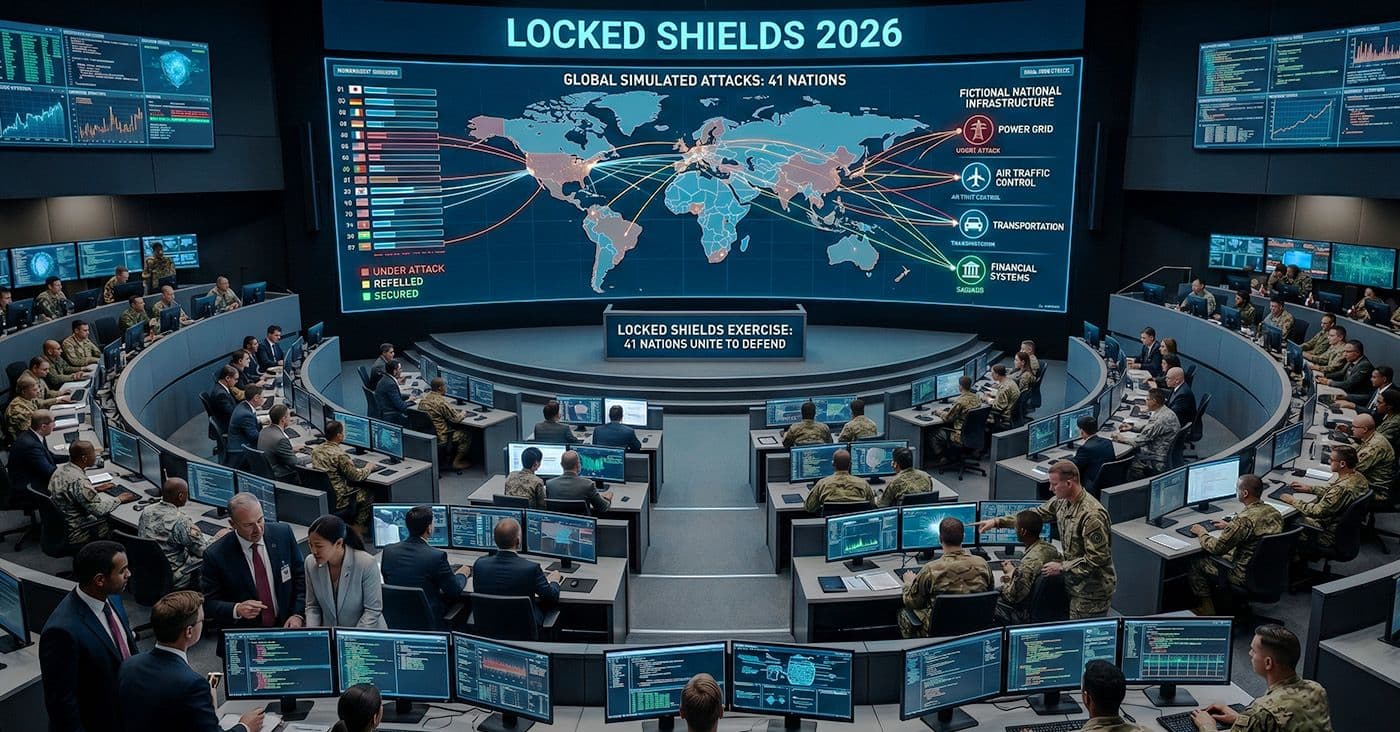
Three clear takeaways from Locked Shields 2026 stand out.
Defenders are perpetually outnumbered. Tooling that automates triage — particularly malware analysis that returns IOCs and configurations in minutes rather than hours — is a necessity, not a luxury.
One ambition for the initiative was to wire ExtraHop's and Forescout's network-detection capabilities directly into Spectra Analyze: detect a suspicious file on the wire, submit it for analysis, and receive a reputation verdict back to drive automated blocking. Cyber-range constraints kept that workflow from being fully realized this year — but it points clearly to where defensive operations are heading. Should similar technologies be deployed by potential targets of state sponsored attacks, those organizations would stand a much better chance of turning back attacks like those in the Locked Shields exercise, experts agreed.
Blue Teams that come in cold get rolled. Teams that have rehearsed their processes, pre-tuned their tooling, and trained their operators stand a fighting chance — even against the world's best Red Team.
Locked Shields 2026 is over. Locked Shields 2027 is, in a sense, already underway. Congratulations to the Croatian Ministry of Defense, to the Armed Forces of North Macedonia, to our partners at ExtraHop and Forescout, and to every defender who took part. RL is honored to stand with you.

ReversingLabs identified and classified the malware weeks before the report was published — showing why behavioral intelligence and historical telemetry matter in the AI age.
With this integration, Rubrik users can now tap ReversingLabs' ransomware feed to decide whether each file in their backup is safe.
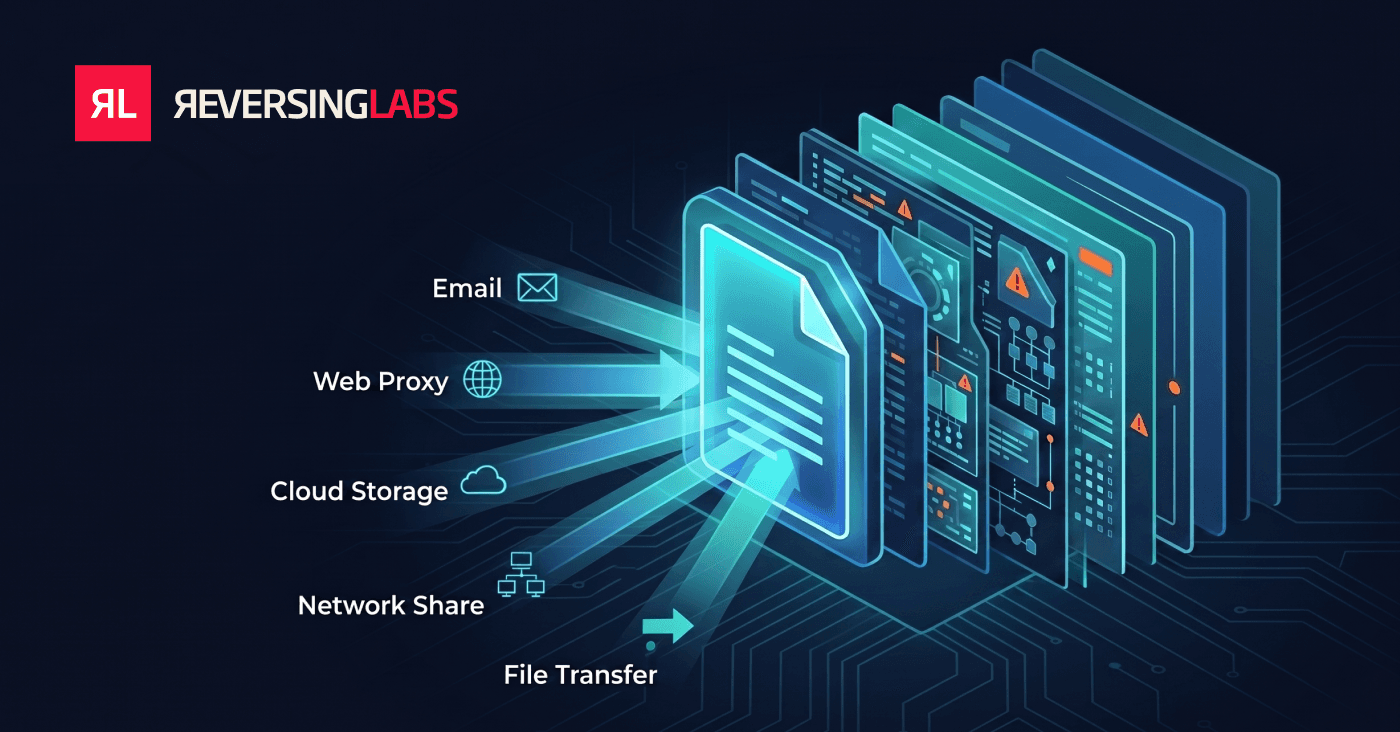
This guide compares leading file security tools across connector coverage, throughput, file-size range, and file-type breadth.